.png "Enterprise Endpoint Management and Cybersecurity Infrastructure")
Why Endpoint Management Is the Secret to IT Efficiency
Let’s be honest. Modern IT environments are no longer simple.
Your organization likely manages hundreds or even thousands of endpoints. Laptops, desktops, mobile devices, servers, virtual machines, remote workstations, IoT devices. Each one is essential. Each one is a potential risk. And each one demands attention.
This is where endpoint management quietly becomes the hero of IT efficiency.
It is not just about device control. It is about visibility, security, automation, compliance, and operational excellence working together in one cohesive strategy.
What Is Endpoint Management and Why Should You Care?
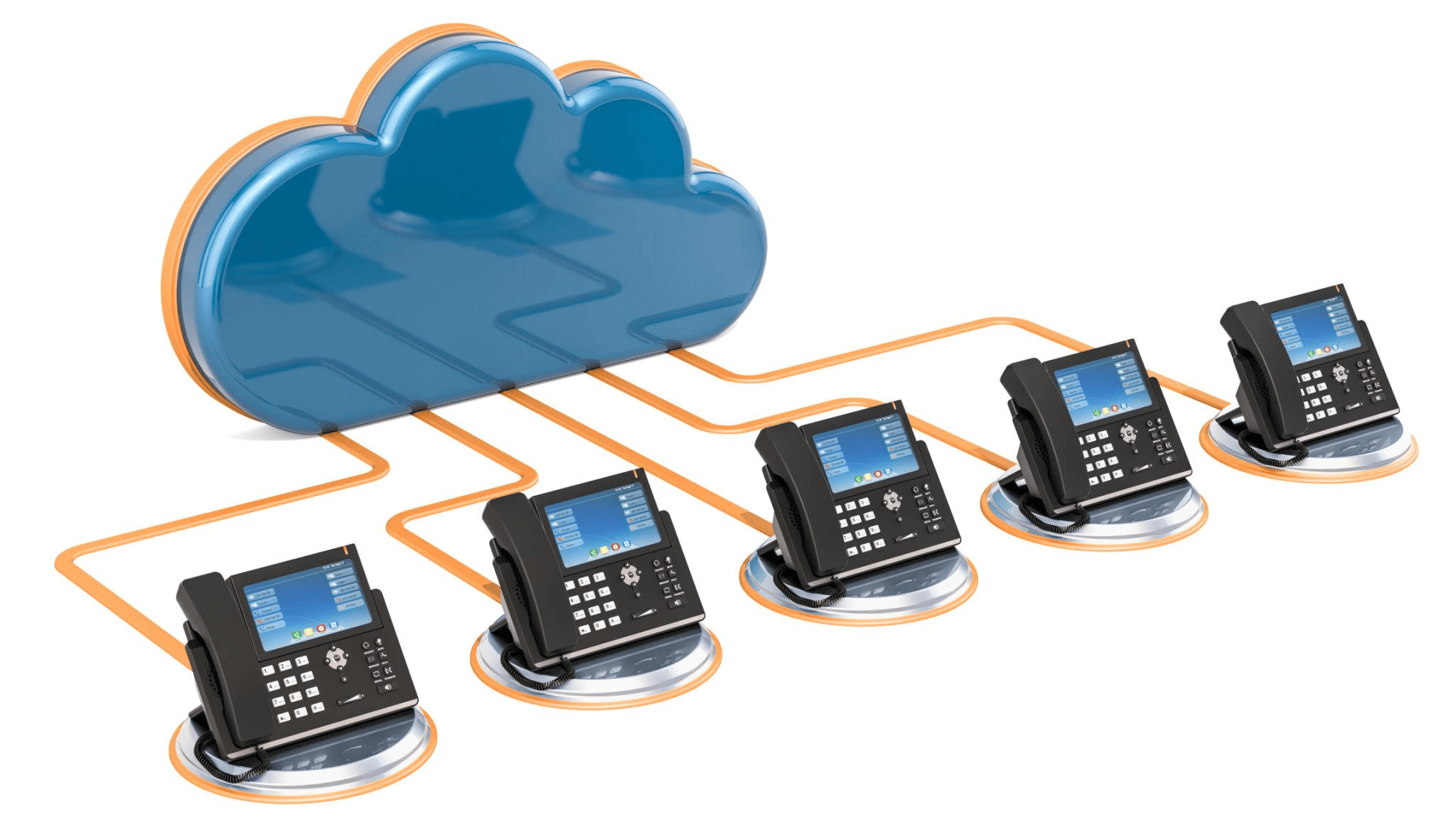
Endpoint management refers to the centralized monitoring, configuration, and protection of all devices connected to your organization’s network.
The National Institute of Standards and Technology (NIST) emphasizes the importance of configuration and device management as a foundation of secure enterprise systems in its Security Configuration guidelines.
Similarly, Microsoft’s enterprise security documentation explains how unified endpoint management enables organisations to enforce consistent policies across devices.
When IT teams gain a single pane of glass view across all endpoints, they eliminate guesswork. Policies are enforced consistently. Updates are deployed centrally. Devices stay compliant without manual intervention.
And that is where efficiency begins.
Stronger Security Without Slowing Down the Business
Every endpoint is a potential entry point for attackers. According to the IBM Cost of a Data Breach Report 2023, compromised endpoints and unpatched vulnerabilities continue to contribute significantly to breach incidents.
Without structured endpoint management, patching becomes inconsistent. Devices fall behind on updates. Security settings vary from one department to another.
The Cybersecurity and Infrastructure Security Agency (CISA) also highlights vulnerability management and timely patching as critical defensive measures.
With proper endpoint management, organizations benefit from:
- Automated patch management
- Real-time threat visibility
- Remote device isolation
- Enforced encryption and access controls
The result is simple: better security with less firefighting.
Centralized Control Means Faster IT Operations
Imagine onboarding 200 new employees manually. Now imagine provisioning their devices automatically from a central console.
Gartner’s research on Unified Endpoint Management highlights automation and centralised control as key drivers of IT operational maturity.
Centralized endpoint management enables IT teams to:
- Push software updates remotely
- Configure devices at scale
- Enforce compliance policies instantly
- Troubleshoot systems without physical access
According to CIO.com, automation within endpoint management significantly reduces IT workload and improves service delivery timelines.
Less repetition. Faster response. Greater strategic focus.
Powering the Hybrid Workforce
Hybrid work is no longer a trend. It is the standard operating model.
ZDNet reports that distributed workforces have dramatically increased the complexity of endpoint security and management requirements.
Harvard Business Review has also covered how digital workplace infrastructure directly impacts employee productivity and resilience.
Endpoint management ensures:
- Consistent policy enforcement across locations
- Secure remote access controls
- Seamless user experience regardless of geography
Your employees experience fewer disruptions. Your IT team maintains full control. Productivity continues uninterrupted.
Compliance Made Practical, Not Painful
For government departments, financial institutions, healthcare providers, and enterprises handling sensitive data, compliance is non-negotiable.
ISO 27001 standards emphasize asset management, configuration control, and continuous monitoring as key components of information security governance.
Endpoint management supports compliance by providing:
- Centralized audit logs
- Device health tracking
- Enforced security baselines
- Simplified reporting
Instead of scrambling during audits, your organization operates in a state of continuous readiness.
Cost Efficiency That Goes Beyond Budget Lines
IT inefficiency rarely shows up clearly in financial statements. It appears as downtime, delayed projects, manual rework, and productivity loss.
Forrester’s research on IT automation highlights that operational automation reduces incident response time and infrastructure management costs significantly.
By consolidating device control and automating routine tasks, endpoint management reduces:
- Manual configuration time
- Onsite support costs
- Security incident recovery expenses
- Device mismanagement
The shift from reactive troubleshooting to proactive management delivers measurable ROI.
And more importantly, it builds resilience.
Endpoint Management Is a Strategic Advantage
Here is the truth many organizations overlook.
Endpoint management is not just an IT tool. It is a business enabler.
When devices are secure, updated, and centrally managed:
- Employees work without interruption
- Security risks shrink
- Compliance becomes streamlined
- IT teams focus on transformation rather than troubleshooting
Efficiency stops being accidental. It becomes deliberate.
Final Thoughts
If your organization depends on seamless connectivity, secure networks, intelligent monitoring, and scalable infrastructure, endpoint management is not optional.
It is foundational.
The organizations that treat endpoint management as a strategic priority consistently outperform those that treat it as an afterthought.
Because when every endpoint is under control, your entire IT ecosystem performs better.
And that is the real secret to IT efficiency.






 Call Now